South Africa
There is heightened security at anti-immigrant hotspots in the South African cities of Johannesburg and Durban following a second day of violent protests targeting foreign nationals.
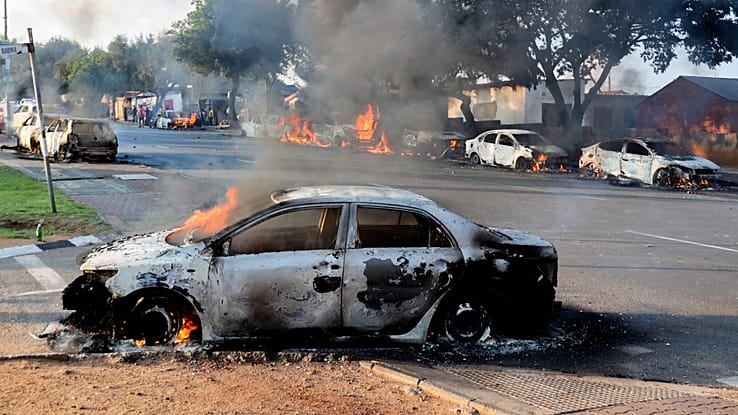
Demonstrators torched cars, attacked foreigners, and looted shops, and threw bricks and bottles again on Friday, as police fired tear gas and stun grenades to try to disperse them.
The protests erupted following widespread misinformation about a Home Affairs directive on implementing a Constitutional Court ruling on the processing of asylum seekers.
It said asylum seekers must be allowed to submit applications even if they entered the country without the required documents, prompting hundreds of people to gather at refugee reception centres.
This fuelled anger among anti-immigrant campaigners amid false claims that undocumented migrants would automatically be granted legal status.
“This government is so obsessed with the foreigners, they will do whatever it takes to protect, you know, illegal foreigners,” said community leader, Tshepo Mposula.
Local councillor Mpumi Edward said it was “not right” that Home Affairs and the ANC government intends documenting the foreigners.
“Because all these people have come to this country illegally, and we should be jailing them instead of documenting them,” she said.
In a bid to quelle the anger, Home Affairs on Friday withdrew the directive saying it would draft a new plan that meets the requirements set by the Constitutional Court..
The uproar comes amid a growing wave of anti-foreigner mobilisation with groups like March and March at the forefront of demonstrations throughout the year.
Its 30 June unofficial “deadline” for foreigners to leave the country saw tens of thousands of people from other African nations flee the country.
In June, the government announced measures to manage migration, including boosting control of the borders, cracking down on human smuggling, and accelerating deportations of people who do not qualify to remain.
The continent’s wealthiest nation has long been a magnet for migrants from elsewhere on the continent who are seeking employment.
It has experienced periodic outbreaks of xenophobic violence for nearly two decades, sometimes based on disputed claims that foreign nationals take scarce jobs and resources from locals.
Complaints about illegal immigration have grown ahead of local government elections on 4 November, with unemployment above 30 per cent another key issue.