
By : RUTEMBESA Innocent & Sweden office staff | 12 November 2026 | Kigali / Addis Ababa / Geneva
Hundreds of thousands of Rwandans are still living abroad as refugees. The Government of Rwanda says there is no reason to be a refugee. UNHCR says return must be voluntary. Human Rights Watch says some are being forced to return. Who is telling the truth?
1. WHAT KAGAME AND THE GOVERNMENT OF RWANDA SAY
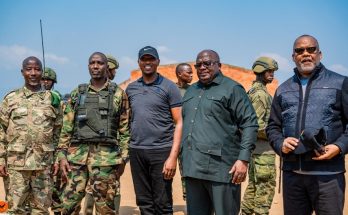
President Paul Kagame says he was once a refugee himself. He says when he was a refugee in Uganda, the former authorities told him Rwanda was too small and had no space for its own people. He said: “Imagine being told there is no place for you in the country you came from.”
Since then, he says he decided that no Rwandan should ever be told that there is no place for them at home.
The Government of Rwanda says:
– Rwanda is peaceful, there is no war, and no general persecution.
– More than 3.4 million Rwandans have already returned home since 1994.
– Only a small number remain. Kagame himself has said 90% of the refugee problem has been solved, and only a small group of about 5% remains.
– The door is open for anyone who wants to return. Nobody is forced.
Since 2002, Rwanda has asked UNHCR to apply the Cessation Clause to Rwandans who fled between 1959 and 1998. The Cessation Clause means the reasons that made them refugees have ceased to exist, so they no longer need international protection as refugees.
On 30 June 2013, UNHCR accepted the clause. On 31 December 2017, it fully took effect. More than 100,000 Rwandans were removed from the refugee list. They were left with two options: return to Rwanda or apply for citizenship in their host country.
The Government of Rwanda says those who still call themselves refugees are not genuine refugees. Some, it says, fled justice in the Gacaca courts. Others, it says, fled for economic reasons. Others were born in exile and do not know Rwanda, but they can return as children of Rwanda.
When UNHCR or HRW criticises Rwanda, the government responds that UNHCR is “lying” or does not understand what Rwanda has achieved.
2. WHAT UNHCR SAYS
UNHCR is the agency that approved the Cessation Clause, but it says the clause does not mean everyone must return by force.
UNHCR says:
– Return must be Voluntary, Safe, Dignified, and Informed. A person must choose to return, in safety, with dignity, and with full information.
– No one should be sent back to a place where they could face danger. That is called refoulement, and it is prohibited by the 1951 Refugee Convention.
– Even after the Cessation Clause, an individual can ask for their case to be reviewed if they have a specific reason to fear return.
At the Tripartite Meeting on 22 June 2026 in Addis Ababa, UNHCR, DRC, and Rwanda agreed that:
– DRC hosts 196,289 Rwandan refugees and asylum seekers, including 75,421 who have been biometrically registered.
– Rwanda hosts 84,456 Congolese refugees and asylum seekers.
– Since January 2025, 8,394 people have voluntarily returned from DRC to Rwanda, including 2,047 in 2026.
UNHCR says it will continue to help returnees get housing, identity documents, schools, health care, and reintegration support.
But UNHCR has also criticised Rwanda several times. In 2005, 6,000 Rwandans in Burundi were returned to Rwanda after the two governments called them “illegal immigrants” instead of refugees. UNHCR said this violated international law because their asylum claims were not assessed individually first.
UNHCR also told UK courts that it had evidence that some asylum seekers sent to Rwanda faced danger. The Government of Rwanda denied those claims.
3. WHAT HUMAN RIGHTS WATCH SAYS
Human Rights Watch (HRW) is the strongest critic of the Government of Rwanda.
HRW says:
– The Cessation Clause was used as pressure. Many people were removed from the refugee list without proper assessment, leaving them without rights, without assistance, and almost stateless.
– In 2025, M23, which HRW says is supported by Rwanda, forcibly transferred more than 1,500 people from eastern DRC to Rwanda, including Congolese citizens and Rwandan refugees. HRW says this is a war crime under the Geneva Conventions, because forcible transfer of civilians is prohibited.
– Some of those people passed through a UNHCR transit centre in Goma, but they said they were not told they had a choice. M23 told them that if they were Rwandan, they must leave DRC.
– HRW wrote to the Rwandan authorities on 9 June 2025 asking for explanations, but received no response.
HRW also says Rwanda has sent people to countries where they could face danger, and that deals to receive deportees from the US and the UK raise serious human rights concerns.
The Government of Rwanda responds that all returnees signed voluntary return forms. Minister Olivier Nduhungirehe said the returns were organised by UNHCR, “a UN agency that never repatriates refugees against their will.”
4. WHAT THE REFUGEES THEMSELVES SAY
Rwandan refugees have three different views:
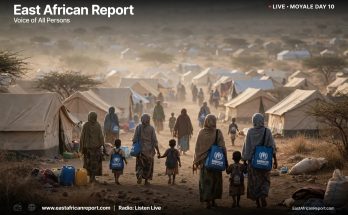
Those who want to return: “We are tired of being refugees. We want to return home, rebuild our lives, and get reintegration support.”
Those who fear to return: “We fear we will not get our property back. We fear arrest. We fear our children who were born in exile will not adapt to Rwanda.”
Those who say they are no longer refugees: Some say they have lived abroad for 30 years, they have families, jobs, and citizenship in their host countries, so forced return would destroy their lives.
CONCLUSION
– Kagame says: There is no reason to be a refugee, the door is open, and the Cessation Clause is a step for peace.
– UNHCR says: Yes, we accepted the Cessation Clause, but return must be truly voluntary, without force, and without refoulement.
– HRW says: No, in some cases return has not been voluntary, some have been forced, and that violates international law.
– Refugees say: Some want to return, others fear to return, others want to stay where they are.
The main question that remains is one: Is the return of Rwandans called refugees truly voluntary, or is it pressure from the Cessation Clause?