Ebola virus
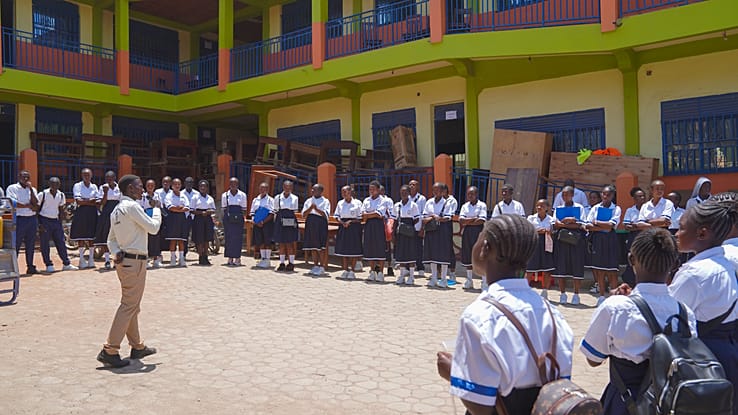
The Ebola survivors’ association in Beni, in the eastern part of the Democratic Republic of the Congo, the epicenter of the Ebola outbreak, held an awareness-raising session for students as school resumed last week.
Survivors spoke to students as authorities grapple with the outbreak, which has killed nearly 3,200 people among more than 6,600 confirmed cases.
Gisèle Nziavake, said that she came to raise awareness and “share our experience and pass on the lessons.”
“First, we have faucets for water, but we can go two, three, or even four days without any water coming out of them. And second, we don’t even have a thermometer (to check temperature),” she said.
The Ebola outbreak is spreading across six provinces in eastern Congo in some of the most difficult conditions imaginable, fueled by rebel violence, displacement and intense population movements.
A weak healthcare and surveillance system also challenges responders, and insufficient contact tracing and laboratory testing.
Efforts to contain the outbreak have also been complicated by the lack of an approved vaccine or treatment for the rare Bundibugyo virus causing it.

Authorities have started vaccinating front-line health workers with the Evrebo vaccine, which the World Health Organization says could offer some protection against Ebola but there’s no conclusive evidence that it would work against the current virus.
Health authorities say the true scale of the crisis is likely three times more than official statistics as the disease continues to outpace efforts to contain it.
World Health Organization has said that it’s projected to surpass the deadliest in history, West Africa’s 2014-2016 outbreak, which killed more than 11,000 people.