
Kenya hosts 871,568 refugees and asylum seekers. Over half are children. Dadaab: 350,000+. Kakuma: 300,000+. Moyale: 50,000 new arrivals from Ethiopia since 18 October 2026. Nairobi: 60,000+ urban refugees.
WHAT HRW ACCUSES UNHCR OF:
1. Abandoning 2,000 in Kakuma: In Kakuma Reception Centre, 2,000 refugees have spent over 6 years without documents. They came from Uganda, Tanzania. Their documents were taken. A child born there is now 5. UNHCR itself says registration must happen within 30 days. They have waited 72 months. ECRE says reception must not exceed 6 months. They have waited 12 times that.
2. Forced Returns: HRW says “voluntary returns” are not voluntary. MSF found 86% in Dagahaley do not want to return to Somalia. NRC says “It is no longer voluntary, dignified nor safe.” Foreign Policy found UNHCR is managing a process that violates the cardinal rule: refugees shall not be returned against their will. Refugees say: “The Kenyans told us it’s time to return. They told us we don’t have a choice.”
3. Abandoning Urban Refugees: HRW’s 2002 report Hidden In Plain View found refugees in Nairobi beaten, sexually assaulted, harassed and extorted by police. UNHCR says it cannot help them because Kenya forbids refugees outside camps. HRW says: Protection is UNHCR’s mandate, not Kenya’s permission.
4. Creating 40,000 Stateless Kenyans: From 1991 to 2014, UNHCR registered refugees on behalf of Kenya. It registered 278,000 Somalis. Among them, it wrongly registered 40,000 Kenyan Somalis as refugees. They could not open bank accounts, get passports, or get IDs. On 21 January 2025, the High Court in Garissa ruled Kenya violated their rights and ordered them removed from the refugee database within 60 days. The error started with UNHCR.
WHAT UNHCR SAYS IN ITS DEFENCE:
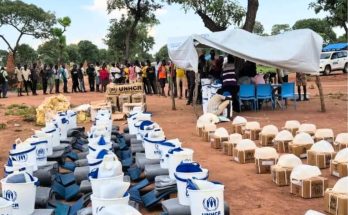
1. “No Funding”: Donors cut funding in 2025-2026. US cuts deepened vulnerability. Amnesty 2026: “Cuts in donor funding undermined refugee support.” For Moyale alone, UNHCR needs $8.9 million for 3 months for 50,000 people. It has not received it.
2. “Kenya Blocks Us”: Kenya confines refugees to camps. Kenya denied UNHCR access to detainees in police cells, Kasarani stadium, and airport in 2014. UNHCR says: “We can only deliver assistance at camp level.”
3. “We Are Trying – Shirika Plan”: In March 2025, Kenya launched the Shirika Plan to turn camps into integrated settlements, with work permits and freedom of movement. UNHCR supports it. But a 2026 University of San Francisco report found: “One year on, that promise remains only partially realized: most refugees still live in Kakuma and Dadaab, freedom of movement remains the conspicuous gap, and funding cuts have deepened vulnerability.”
MOYALE 2026 – LATEST:
On 18 October 2026, fighting started in Moyale, Ethiopia. By 3 November, 50,000 people had crossed into Kenya. By 18 November, UNHCR had profiled 25,720 in 7 sites: Heilu 6,717, Harosa 5,469, Qilta 5,400, Holale 3,274, OMC 2,591, Someni 1,227, Alhuda 1,042. Women and children are the majority.
WHO IS RIGHT?
HRW is right: 2,000 people in Kakuma for 6 years is a failure. Returns are not voluntary. 40,000 Kenyans made stateless is a scandal. Urban refugees are unprotected.
UNHCR is right: No funding. Kenya blocks it. It cannot implement Shirika Plan alone.
The real truth: The problem is not HRW vs UNHCR. It is:
– Kenya: Wants to close camps, but does not implement Shirika Plan, denies freedom of movement.
– Donors: Cut funding, then blame UNHCR for failing.
– UNHCR Geneva: Accepts Kenyan policy to keep access, instead of publicly confronting Kenya.
12 QUESTIONS UNHCR HAS NOT ANSWERED: Why 2,000 people for 6 years? Why were documents taken? Why is a 5-year-old still in reception? Why is registration 72 months, not 30 days? Why are urban refugees unprotected? Why were 40,000 Kenyans registered as refugees? Why are returns called voluntary when 86% refuse? Why is Moyale underfunded? Why is Shirika Plan not implemented? Why does UNHCR not confront Kenya publicly? If UNHCR cannot protect, who will?
CONCLUSION: HRW is the watchdog. UNHCR is the protector. When the watchdog barks, the protector must listen, not hide. But the watchdog does not feed the protector. Donors do. And donors have stopped feeding.
In Kakuma, 2,000 wait. In Dadaab, 350,000 wait. In Moyale, 50,000 wait. In Nairobi, 60,000 hide.
They do not care about HRW vs UNHCR. They care about documents, food, movement, and safety.
East African Report | Sweden Desk