
Exclusive: 11 days after Robert Kabera’s headless body was found in Luwala, Mpigi, head still missing. Forensic expert explains 3 reasons killers decapitate – concealing identity, ritual, intimidation. Police questioned 7 witnesses, no arrest.
Head Still Missing After 11 Days: Why Killers Take Heads – Forensic Expert Explains in Robert Kabera Case
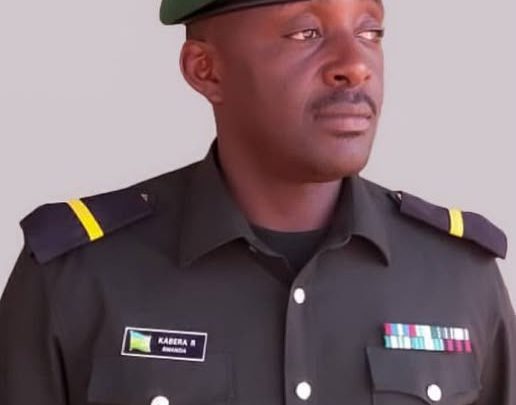
MPIGI, Uganda – Eleven days after the headless body of Rwandan YouTuber and former RDF Sergeant Major Robert Kabera was discovered in a swamp in Luwala village, Nkozi Sub-county, Mpigi District, his head is still missing, police and family confirm.
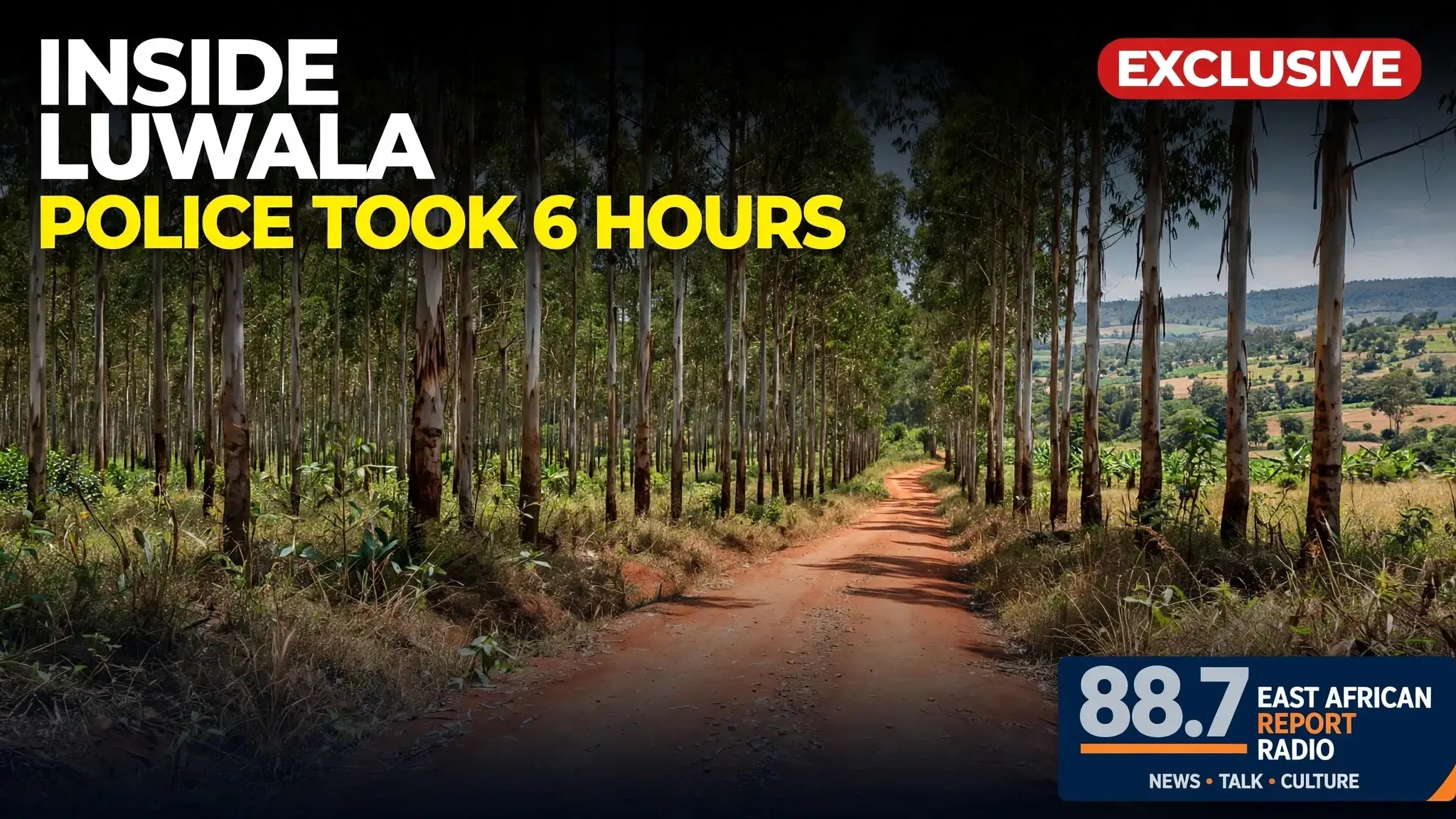
The discovery on October 17 has left more questions than answers, with investigators now focusing on why the killers decapitated the 43-year-old critic of the Rwandan government.
The Facts:
– Oct 17, 2PM: Body found by locals in Luwala swamp, about 12km from Mpigi town
– Oct 17, 8PM: Mpigi Police arrived – 6 hours later, locals say
– Oct 18: Body taken to Gombe Hospital, then to Wandegeya forensic lab, Kampala
– Oct 20: Police say 7 witnesses questioned, no suspect arrested
– Oct 29 (Today): Day 11 – Head still missing, Wandegeya lab yet to release forensic report (promised 72 hours)
EastAfricanReport.com spoke to a forensic expert in Kampala who requested anonymity due to sensitivity of the case.
Why Do Killers Take Heads? 3 Reasons:
1. Concealing Identity:
“Decapitation is the oldest way to delay identification,” the expert said. “Without a head, you cannot use facial recognition, dental records become harder. In this case, Kabera was identified by his gumboots and unfinished house he was building in Luwala, not by face. That tells you killers wanted to buy time.”
2. Ritual or Message:
“In Great Lakes region, we have seen cases where heads are taken for ritual purposes or as a trophy. But in political cases, it is often intimidation – sending message to other exiles: ‘This is what happens,'” he added.
3. Hiding Cause of Death:
“If someone is shot in the head or strangled, taking the head removes evidence of how he died. Wandegeya lab will have difficulty determining cause of death without head,” the expert explained.
What We Found in Luwala:
Our team visited Luwala on Oct 22. Residents described Kabera as quiet man who came 3 months ago, bought land, started building small house, wore gumboots daily.
“He was building slowly, alone. He told us he left Rwanda and felt safe in Uganda,” one neighbor, who asked not to be named, said.
His unfinished house, with bricks and gumboots outside, is now abandoned.
Police Investigation:
Katonga Region Police spokesperson is yet to issue formal statement. Sources say 7 witnesses – including landlord, neighbors, and boda boda riders who saw Kabera last – have been questioned.
No arrest made.
Human Rights Watch on Oct 24 called for “impartial and transparent investigation,” noting pattern of attacks on Rwandan exiles in Uganda and South Africa.
Family Speaks:
Victor Agaba, Kabera’s brother, told EastAfricanReport.com: “My brother thought Uganda was safe. He left Rwanda because he was threatened after criticizing. Now his head is missing. We want answers.”
Agaba said family has not been allowed to see body, still at Wandegeya lab.
The Unanswered Questions:
– Why did it take Mpigi police 6 hours to reach scene 12km away?
– Where is the head?
– Why has Wandegeya lab delayed report from 72 hours to 11 days?
– Is this linked to previous cases of Rwandan exiles attacked in Uganda?
EastAfricanReport.com will continue to follow this case. This is Part 4 of our 7-part Kabera Files investigation.
Read Also:
– Part 1: Body Found in Luwala Swamp – Who Was Robert Kabera?
– Part 2: 6 Hours Delay – Why Mpigi Police Failed
– Part 3: Gumboots & Unfinished House – Last 48 Hours of Kabera