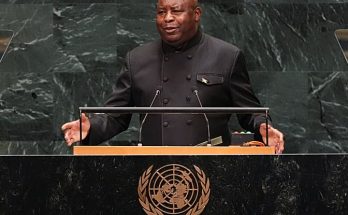

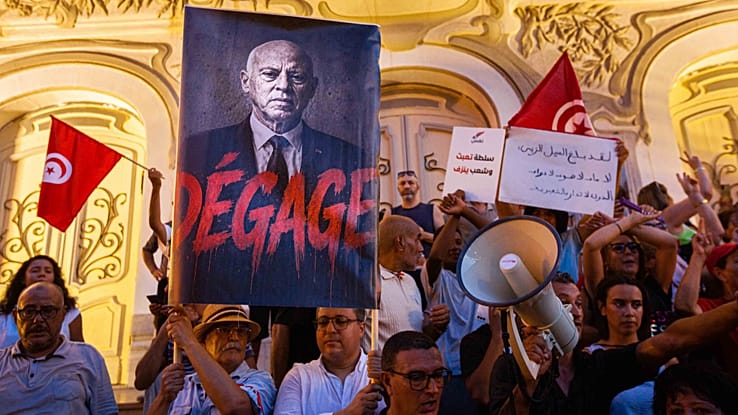
Kaïs Saïed
Tunisian President Kais Saied on Wednesday softened a cybercrime decree that was widely criticised by rights groups, by scrapping a five-year prison sentence for the dissemination of “fake news”.
Rights groups have regularly condemned the decree, which dates back to 2022, claiming that it has been used to prosecute dissenting voices.
The decree had provided for sentences of up to five years in prison and fines of up to 50,000 dinars ($17,000) for anyone using “information and communications systems and networks” to spread “fake news” or rumours, with the sentence rising to 10 years if the offence targeted a public official.
Wednesday’s move reduced the maximum sentence to six months in prison in the event of a repeat offence, and scrapped prison for first-time offences.
Reporters Without Borders told AFP it “notes the removal of the… five-year prison sentence, a provision we have constantly condemned since its adoption in 2022 because of its repeated use against journalists and critical voices”.
“This revision is a step in the right direction, but it is not enough to make this text a legal framework that complies with international standards on press freedom,” said RSF regional director for North Africa Oussama Bouagila.
Several public figures have been prosecuted under the law, including lawyer and commentator Sonia Dahmani, former judge Ahmed Souab, party leader Abir Moussi, as well as Franco-Tunisian journalist Mourad Zeghidi.
Tunisia emerged as the only democracy of the Arab Spring demonstrations of 2011, but since Saied staged a sweeping power grab in 2021, rights groups have criticised a major rollback on freedoms.